According to a statement released by the White House on December 31st, Trump has decided to postpone a new round of tariff increases on
goods such as upholstered furniture, kitchen cabinets, and bathroom vanities for one year, specifically delaying them until 2027.

Tariff Increases on Upholstered Furniture, Kitchen Cabinetry, and Other Goods Postponed for One Year
In the final hours of 2025, Trump signed a presidential proclamation deciding to delay the implementation of tariff increases on certain goods. These related tariffs were originally scheduled to take effect this Thursday.
Back in September 2025, Trump ordered new 25% tariffs on kitchen cabinets and upholstered furniture, which officially took effect in October. According to the original plan, the rates were set to increase further in 2026, with tariffs on kitchen cabinets rising to 50% and those on upholstered furniture to 30%.
The order issued on Wednesday delayed these significant tariff increases. This means that tariffs on these goods will temporarily remain at the 25% level for now.
The White House stated in its declaration: "The United States is still engaged in productive negotiations with trading partners, aiming to address trade reciprocity issues and national security concerns related to wood product imports." The Trump administration is facing increasing criticism for failing to effectively stabilize prices. One important reason is that since taking office at the beginning of 2025, Trump has imposed tariffs on a wide range of goods. In fact, even before the 25% tariffs on furniture were imposed, furniture prices had already seen significant increases due to existing tariffs on most goods from China and Vietnam—the two largest sources of U.S. furniture imports.
As American families grow increasingly concerned about the affordability of living costs, Trump continues to blame the Biden administration for inflation. In recent speeches, he has argued that tariffs might ultimately lower the cost of living for Americans in the long run. However, Wednesday's statement did not directly specify the exact reasons for postponing these tariff increases.
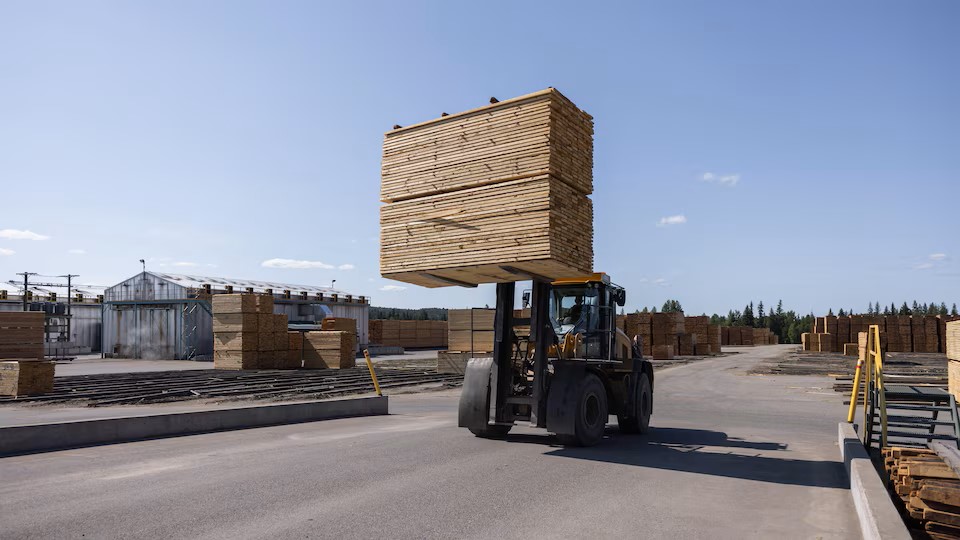
In September 2025, Trump defended the tariffs on wood products and timber by citing national security, stating the move aimed to protect the domestic U.S. timber industry. He announced the tariffs following an investigation, which he instructed the U.S. Department of Commerce to conduct under Section 232 of the Trade Expansion Act regarding imported wood. In the months leading up to the September decision, Trump had repeatedly criticized Canada for exporting large quantities of timber to the U.S., arguing that given most U.S. timber imports come from this northern neighbor, it could pose a potential threat to U.S. national security.
The list of affected product HS codes is as follows:
● Softwood Lumber and Planks:
4403.11.00, 4403.23.01, 4403.26.01, 4406.91.00, 4407.13.00, 4403.21.01, 4403.24.01,
4403.99.01, 4407.11.00, 4407.14.00, 4403.22.01, 4403.25.01,
4406.11.00, 4407.12.00, 4407.19.00
● Upholstered Wooden Furniture Products:
9401.61.4011, 9401.61.4031, 9401.61.6011, 9401.61.6031
● Finished Kitchen Cabinets, Dressers, and Parts:
9403.40.9060, 9403.60.8093, 9403.91.0080

U.S. Imposes 1% Tax on Certain Cross-Border Remittances
On January 1, 2026, local time, new tax measures on certain cross-border remittances in the United States officially took effect.
According to regulations from the U.S. Department of the Treasury and the Internal Revenue Service (IRS), starting January 1, 2026, remittance service providers are required to collect a 1% tax on eligible remittance transactions and file and pay accordingly.
Relevant regulations indicate that when remitters use cash or similar "tangible payment instruments" (including money orders, cashier's checks, etc.) as the source of funds for cross-border remittances, the tax will apply. Transactions funded through U.S. bank account transfers or using debit cards, credit cards, etc., are generally not subject to the tax.
This measure is part of the tax and spending bill promoted by the Trump administration under the "Big and Beautiful" initiative. According to IRS regulations, the tax applies to individuals sending money overseas, including U.S. citizens and residents.
Analysts point out that the tax will primarily affect those relying on cash for remittances. Some experts also warn that the policy impact may fall more heavily on immigrant communities and families dependent on cross-border remittances